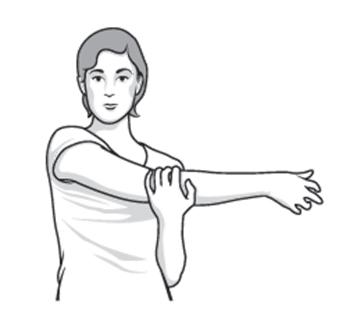
What Is Frozen Shoulder?
Frozen shoulder, known medically as adhesive capsulitis, is a condition where the shoulder joint becomes painfully stiff and loses its normal range of motion. It affects roughly 2% to 5% of the general population at some point in their lives, with women between the ages of 40 and 60 being the most commonly affected group. For many Canadians, it can make everyday activities — reaching for a coffee mug, putting on a jacket, or even sleeping comfortably — unexpectedly difficult.
Unlike a sudden injury from a fall or sports accident, frozen shoulder tends to develop gradually. It often begins with mild discomfort that worsens over weeks or months, eventually leading to significant stiffness. The good news is that frozen shoulder is treatable, and many people find substantial relief through non-invasive approaches like acupuncture and registered massage therapy.
The Three Stages of Frozen Shoulder
Understanding how frozen shoulder progresses can help you recognize the condition early and seek treatment at the right time. The condition typically moves through three distinct stages.
Stage One: The Freezing Stage
During the freezing stage, you will notice increasing pain in your shoulder, especially when you try to move it. The pain may feel dull and achy during the day and sharper at night, often disrupting sleep. As the pain intensifies, you begin to use your shoulder less, which causes the range of motion to shrink. This stage can last anywhere from six weeks to nine months.
Many people mistake the freezing stage for a simple muscle strain and wait too long before seeking help. The earlier you address the inflammation and muscle guarding, the easier the condition is to manage.
Stage Two: The Frozen Stage
In the frozen stage, the intense pain may actually start to ease, but the stiffness becomes the dominant problem. Your shoulder feels locked, and even with assistance, the joint simply does not want to move past a certain point. Reaching overhead, behind your back, or out to the side becomes a real challenge. This stage can persist for four to twelve months, and it is the phase where people often feel the most frustrated because simple tasks remain out of reach.
Stage Three: The Thawing Stage
The thawing stage brings gradual improvement. Over a period of six months to two years, the shoulder capsule slowly loosens, and range of motion returns. Without treatment, the full course of frozen shoulder can take one to three years from start to finish. With appropriate care — including acupuncture and massage therapy — many patients can shorten this timeline significantly and move through recovery with far less discomfort.
What Causes Frozen Shoulder?
The exact cause of frozen shoulder is not always clear, but it involves inflammation and thickening of the connective tissue capsule that surrounds the shoulder joint. When this capsule tightens and forms bands of scar-like tissue called adhesions, the joint loses its natural glide.
Certain factors can increase your risk of developing frozen shoulder:
- Diabetes: People with diabetes are up to five times more likely to develop frozen shoulder, and their cases tend to be more stubborn.
- Thyroid disorders: Both an overactive and underactive thyroid have been linked to a higher risk.
- Prolonged immobility: After surgery, a fracture, or a stroke, keeping the arm still for an extended period can trigger the condition.
- Age and gender: Adults between 40 and 60, especially women, are at the highest risk.
- Previous shoulder issues: Rotator cuff injuries, tendonitis, or bursitis can set the stage for frozen shoulder.
If any of these risk factors apply to you, paying attention to early shoulder discomfort and addressing it promptly can make a meaningful difference.
How Acupuncture Treats Frozen Shoulder
Acupuncture has been used for centuries to manage pain and restore function, and modern research supports its effectiveness for musculoskeletal conditions like frozen shoulder. As a registered acupuncturist, I use fine, sterile needles placed at specific points to produce several therapeutic effects.
Pain Relief Without Medication
One of the most immediate benefits of acupuncture is natural pain relief. The insertion of needles stimulates the release of endorphins — your body’s own painkilling chemicals — along with other neurotransmitters that modulate how you perceive pain. For someone in the freezing stage who dreads even small movements, this relief can be life-changing. It allows you to begin gentle movement with less guarding, which is essential for breaking the pain-stiffness cycle.
Reducing Inflammation and Promoting Circulation
Acupuncture improves blood flow to the affected area, bringing oxygen and nutrients that support tissue healing while helping to flush out inflammatory byproducts. This local effect is particularly helpful for the thickened, inflamed capsule that defines frozen shoulder. By calming inflammation, acupuncture helps create the conditions your body needs to begin remodeling and loosening the tight tissue.
Releasing Muscle Tension
When your shoulder hurts, the surrounding muscles — including the rotator cuff, deltoid, trapezius, and muscles around the shoulder blade — naturally tighten in a protective response. Over time, this guarding creates secondary pain and stiffness that compounds the problem. Acupuncture helps release these tight muscles, reducing the mechanical pull on the shoulder joint and allowing it to move more freely.
Trigger Point Work
Many acupuncture points overlap with myofascial trigger points — tender knots in the muscle that refer pain elsewhere. Treating these points in the rotator cuff and upper back can produce rapid improvements in both pain and range of motion. Patients often report feeling an immediate sense of release after a session.
The Role of Registered Massage Therapy
As a registered massage therapist, I integrate hands-on techniques to complement acupuncture and address the soft tissue components of frozen shoulder.
Breaking Down Adhesions
Massage therapy uses sustained pressure and specific techniques to stretch and mobilize the tight connective tissue around the shoulder. Over a series of treatments, this can help break down the adhesions that restrict joint movement. Gentle, progressive stretching within a tolerable range encourages the capsule to lengthen over time.
Improving Circulation and Drainage
Massage promotes venous and lymphatic return, which helps reduce any residual swelling in the shoulder region. Improved circulation also means that the muscles and joint tissues receive more of the nutrients they need for repair while metabolic waste products are cleared more efficiently.
Restoring Muscle Balance
Frozen shoulder rarely affects just one muscle. The entire shoulder girdle can become imbalanced, with some muscles overworking and others weakening from disuse. Massage helps identify and release these patterns, so that when your range of motion begins to return, your shoulder is supported by balanced, functional muscle groups rather than pulling unevenly on the joint.
Why Combining Acupuncture and Massage Works
One of the advantages of seeing a practitioner who is both a registered acupuncturist and a registered massage therapist is that you receive integrated care in a single session. Rather than booking two separate appointments with different practitioners who may not communicate with each other, you can receive coordinated treatment tailored to your specific stage of frozen shoulder.
Acupuncture addresses pain at the neurological level and reduces deep inflammation, while massage therapy works on the muscular and fascial layers that need manual release. Together, they create a comprehensive approach that targets both the underlying joint capsule tightness and the secondary muscle dysfunction that comes with it.
For many patients, this combination leads to faster progress, fewer total sessions needed, and a more comfortable recovery compared to either approach alone.
What to Expect During Your Visit
If you have never tried acupuncture or massage therapy for frozen shoulder, you might wonder what a session looks like. Here is a general outline of what you can expect at Paul Wu Wellness.
Assessment
Your first visit begins with a conversation. I will ask about your symptoms, when they started, what movements bother you most, and any relevant health history such as diabetes or thyroid conditions. I will also assess your active and passive range of motion — seeing how far your shoulder can move on its own and with gentle assistance.
Treatment Plan
Based on the assessment, I will recommend a treatment approach that may include acupuncture, massage therapy, or a combination of both. The plan will be specific to your stage of frozen shoulder. Someone in the freezing stage may need more focus on pain control and gentle mobilization, while someone in the frozen or thawing stage can often tolerate more direct hands-on work.
The Session Itself
A typical session lasts between 45 and 60 minutes. If acupuncture is used, you will rest comfortably while the needles do their work for roughly 20 to 30 minutes. Massage therapy is performed with you lying on a treatment table, and I will check in regularly about pressure and comfort. Many patients find sessions deeply relaxing, and it is not uncommon to notice improved range of motion even after the first visit.
Frequency and Duration
Frozen shoulder usually requires a series of treatments rather than a single visit. Initially, weekly sessions are common, and the frequency may decrease as your shoulder improves. The total number of sessions varies depending on the severity and stage of your condition, but many patients see meaningful improvement within six to eight weeks of consistent care.
Self-Care Tips to Support Your Recovery
While professional treatment is important, what you do between sessions can make a big difference.
Gentle Movement Within Limits
The key is to move your shoulder within a pain-free or minimally painful range. Forcing movements that cause sharp pain can worsen inflammation. Simple pendulum exercises — where you lean forward and let your arm hang, making small circles — are often a safe starting point. Your practitioner can guide you on which movements are right for your stage.
Heat and Cold
Applying a heat pack before gentle movement can help loosen tight muscles and make stretching more comfortable. After activity or treatment, a cold pack can help manage any lingering soreness. Listen to your body and use whichever feels better.
Sleep Positioning
Sleeping on the affected side can aggravate frozen shoulder. Try sleeping on your back or on the opposite side with a pillow supporting the painful arm. Some people find relief by placing a small pillow under the armpit of the affected shoulder to reduce strain.
Stay Consistent
Frozen shoulder recovery requires patience. It is easy to feel discouraged when progress seems slow, but consistency with your treatment plan and home care is the most reliable path forward. Small improvements week to week add up to meaningful gains over time.
Frequently Asked Questions
How long does frozen shoulder last without treatment?
Without treatment, frozen shoulder can last anywhere from one to three years, moving through the freezing, frozen, and thawing stages at its own pace. Treatment with acupuncture and massage therapy can help shorten this timeline, reduce pain during the process, and restore function sooner.
Is acupuncture painful?
Acupuncture uses extremely fine needles — much thinner than those used for injections or blood draws. Most people feel little to nothing during insertion, though you may experience a brief sensation of warmth, tingling, or a dull ache around the needle site. This is a normal sign that the body is responding and should not be uncomfortable.
How many acupuncture sessions will I need for frozen shoulder?
The number of sessions varies from person to person. Many patients begin with weekly treatments for six to eight weeks, then transition to less frequent maintenance sessions as their shoulder improves. During your initial assessment, I will provide a personalized estimate based on the severity and stage of your condition.
Can frozen shoulder come back after treatment?
It is uncommon for frozen shoulder to return in the same shoulder once it has fully resolved. However, people who have had frozen shoulder in one arm have a slightly higher risk of developing it in the other arm, so staying attentive to early symptoms is wise.
Do I need a doctor’s referral to see an R.Ac. or RMT in Canada?
In most Canadian provinces, you do not need a doctor’s referral to see a registered acupuncturist or registered massage therapist. However, many extended health insurance plans cover acupuncture and massage therapy, and some may require a doctor’s note for reimbursement. It is a good idea to check with your insurance provider about your coverage.
Can I receive treatment if I am taking blood thinners?
Acupuncture and massage therapy can often be safely provided to people on blood thinners, but it is important to discuss this during your initial assessment. I will adjust the treatment approach accordingly and coordinate with your prescribing physician if needed.
Take the First Step Toward Relief
Frozen shoulder does not have to control your daily life for years. Whether you are in the early stages of stiffness and pain or have been struggling with limited mobility for months, acupuncture and registered massage therapy offer safe, effective options to help you move freely again.