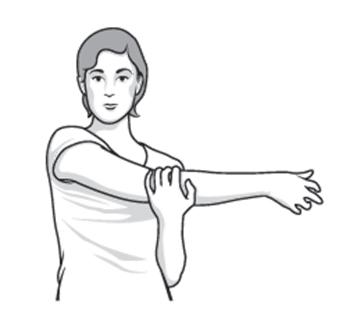
1. Cross-Body Shoulder Stretch
- Bring one arm across your chest.
- Use the opposite hand to gently pull the arm closer to your body.
- Keep the shoulder relaxed.
- Hold for 20–30 seconds.
- Repeat 2–3 times on each side.
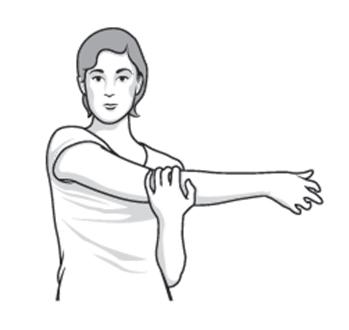
2. Posterior Capsule Stretch
- Similar to the cross-body stretch, but focus on keeping the shoulder blade stable.
- You should feel the stretch in the back of the shoulder.
- Hold for 20–30 seconds.
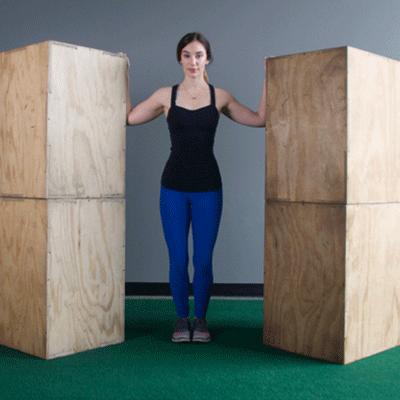
3. Doorway Pec Stretch
- Place your forearm against a door frame with the elbow at shoulder height.
- Step forward until you feel a stretch across the chest and front of the shoulder.
- Hold for 20–30 seconds.
- Repeat 2–3 times.
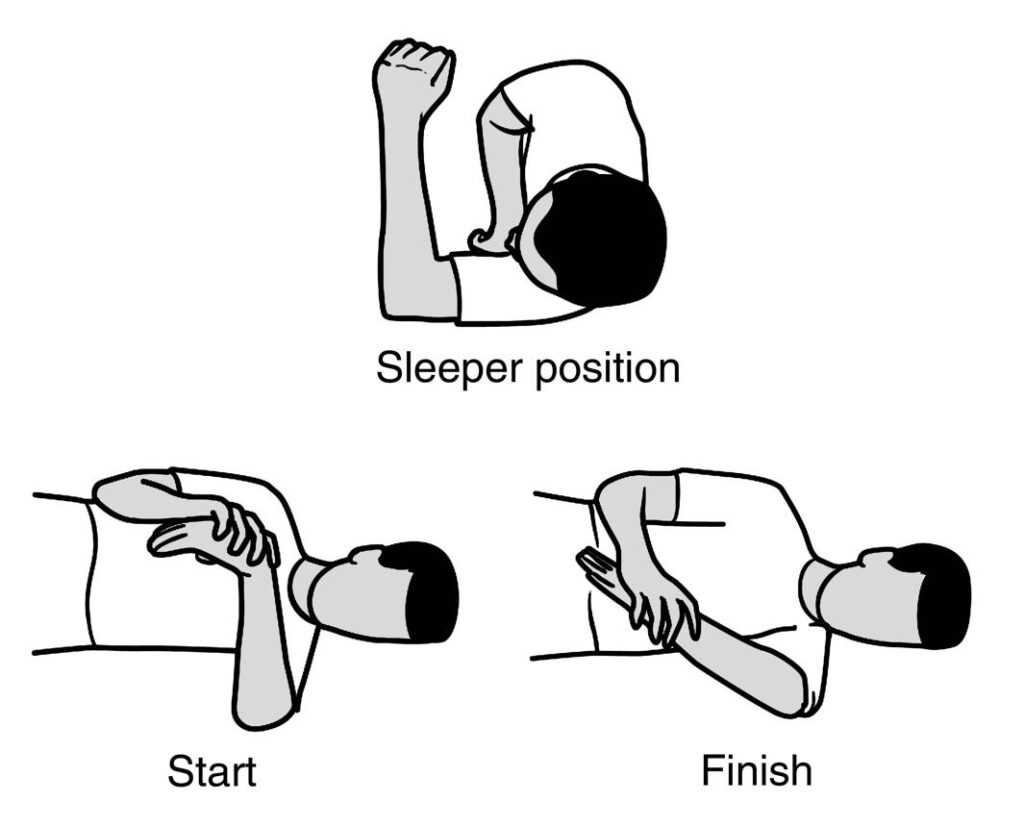
4. Sleeper Stretch
- Lie on the affected side with the shoulder and elbow at 90°.
- Use the opposite hand to gently push the forearm toward the table or bed.
- You should feel a stretch in the back of the shoulder.
- Hold 20–30 seconds.
- Avoid forcing the movement if painful.
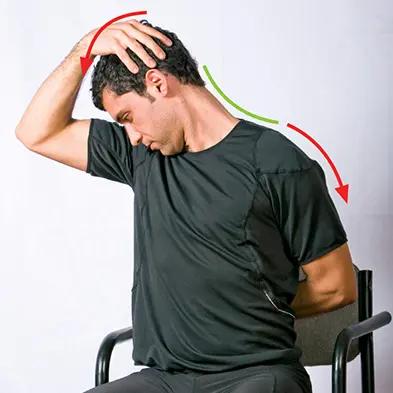
5. Upper Trapezius Stretch
- Sit upright.
- Tilt your head away from the affected shoulder.
- Use your hand to apply gentle pressure.
- Hold 20–30 seconds.
- Repeat 2–3 times.
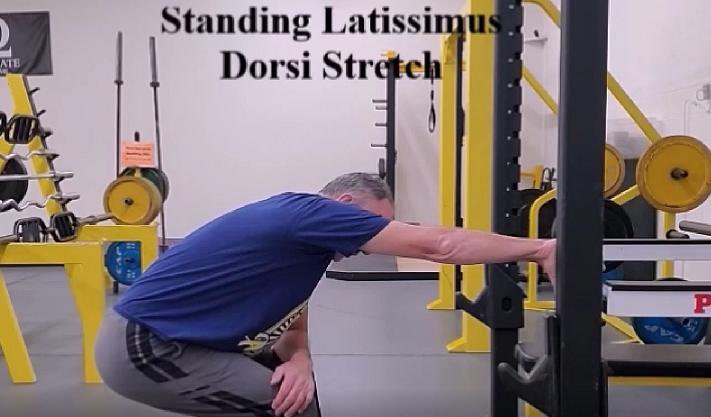
6. Latissimus Dorsi Stretch
- Kneel in front of a chair.
- Place your hands on the chair and lower your chest toward the floor.
- Feel the stretch along the sides of the back and shoulders.
- Hold 20–30 seconds.
For Rotator Cuff Pain
If your shoulder pain is related to rotator cuff tendinopathy or impingement, gentle stretching is often helpful, but strengthening is usually even more important:
- External rotation exercises with a resistance band
- Scapular retraction (rowing movements)
- Lower trapezius strengthening
- Serratus anterior activation


Great content! Keep up the good work!